💵 Prioritize Profitability
🧭 Your Company Way
⚙️ Grow With Throughput
💵 Prioritize Profitability
In a year marked by uncertainty, 2026’s strategic plans have a very clear priority: profitability.
When markets are stable, growth is relatively simple: increase sales to grow. If your costs and productivity are stable, more sales leads to more profits.
The past five years have been anything but stable. More sales can make things worse.
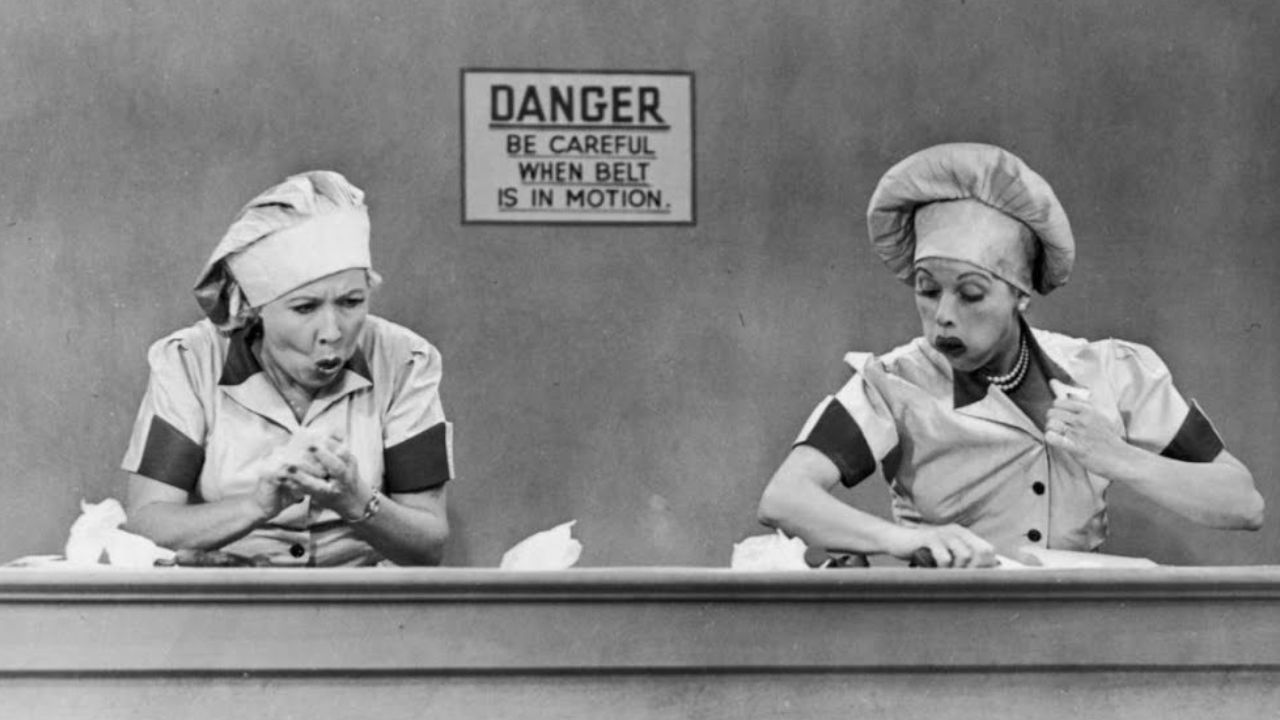
There’s a famous scene from the TV sitcom, I Love Lucy, when Lucy and Ethel get jobs wrapping chocolates on a conveyor belt.
At first, the pair do just fine. Then the line speeds up and hilarity ensues. Desperate to keep up, Lucy and Ethel begin stuffing chocolates in their mouths, hats, and clothes.
It’s a perfect metaphor for an overloaded system. Trying to stuff more sales into a constrained system can lead to chaos, and many companies have experienced that recently. They’ve hit their revenue targets only to lose money, because of inadequate systems and infrastructure.
The primary question leadership teams are wrestling with in their 2026 strategic plans is, “How to grow sustainably and profitably?”
This is leading to powerful conversations and plans focused on key operational challenges:
- How to gain visibility (and control) over every project, from proposal to warranty.
- How to maximize profitability by redesigning products and services.
- How to grow without adding headcount.
Top line revenue growth is absolutely a factor. Growth targets for ‘26 range from 10% to 30%, but growing revenue for revenue sake is not an option. It’s a profit-first mindset focused on cost reduction, increasing productivity, and reducing overhead.

Have you taken the Business Challenge Diagnostic? It’s a free survey to evaluate how to grow your business in 2026.
🧭 Your Company Way
One of my favorite strategic planning trends for 2026 is [insert your company name] Way.
Like the HP Way or the Toyota Way, companies are leaning into making their operations a competitive advantage. Branding it Their Way gives the plans gravitas and purpose.
Each company’s Way is unique. The priorities and systems of a waste management company compared to collision repair to legal services to automotive equipment are vastly different, but they all have one thing in common: standardized systems.
There’s a fantastic study by McKinsey that found companies with standardized processes and clear playbooks achieved:
- 4.2x More Likely to Outperform Peers
- 30% Higher Revenue Growth
- 5% Less Turnover
Scale is anchored on good systems. Try this thought exercise with your leadership team: What would have to change if we tripled the size of our business?
Look at every department, from sales to HR to operations. What are the systems you will need to operate at the next level? This becomes the plan branded as [Your Company] Way.
One Stat to Watch
85%
of companies globally plan to manufacture and sell most of their products in the same region by 2026, up from 43% in 2023, according to Accenture.
⚙️ Grow With Throughput
Our client Central Smith was featured in the Globe and Mail. They shared their story of innovation and growth as they transition to the third generation.
From 2016 to 2025, Central Smith tripled in revenue growth without increasing its sales and marketing capacity. Growth came from operational capacity investments.
In 2017, the company invested in a storage freezer, dramatically increasing its plant capacity. In 2019, they hired a COO who streamlined operations and production. In 2024, they added a dairy silo to the factory, further growing the factory throughput.
Each was a major investment, and each led to increased revenue and profitability.
In 2016, Central Smith made a bold strategic decision not to follow its competitors into mass retail. It focused on its core strengths: customer service, flexibility, quality, and flavor. This was very well aligned with the B2B market: food services and co-packing.
Today, Central Smith has the enviable position of being the leading frozen dessert provider for food services and co-packing. It’s hard to compete with them on their own turf.
It’s a good lesson for what drives growth. When you have product-market fit well aligned, growth is driven by increasing operational capacity, not sales.
🤔 Thoughts on Today’s Issue?
We’d love to hear your feedback. Message with any thoughts, comments, or ideas for future issues.