😷 Emotional Contagion
🐝 Values Don’t Change
🎨 Do It Right
😷 Emotional Contagion
There has been a persistent disconnect between the perceived state of the economy and the economy for almost a decade. Annie Lowrey of the Atlantic called it the “Permacession.”
She writes, “Americans are expressing some of the deepest, broadest, and stubbornest economic pessimism ever recorded. They’re doing so even though nearly every American who wants a job has one and the stock market is booming.”
“People have stopped believing that the economy can be good,” she continues, “and have lost the willingness to admit that they are doing well. That pessimism might be harder to fix than an actual downturn.”
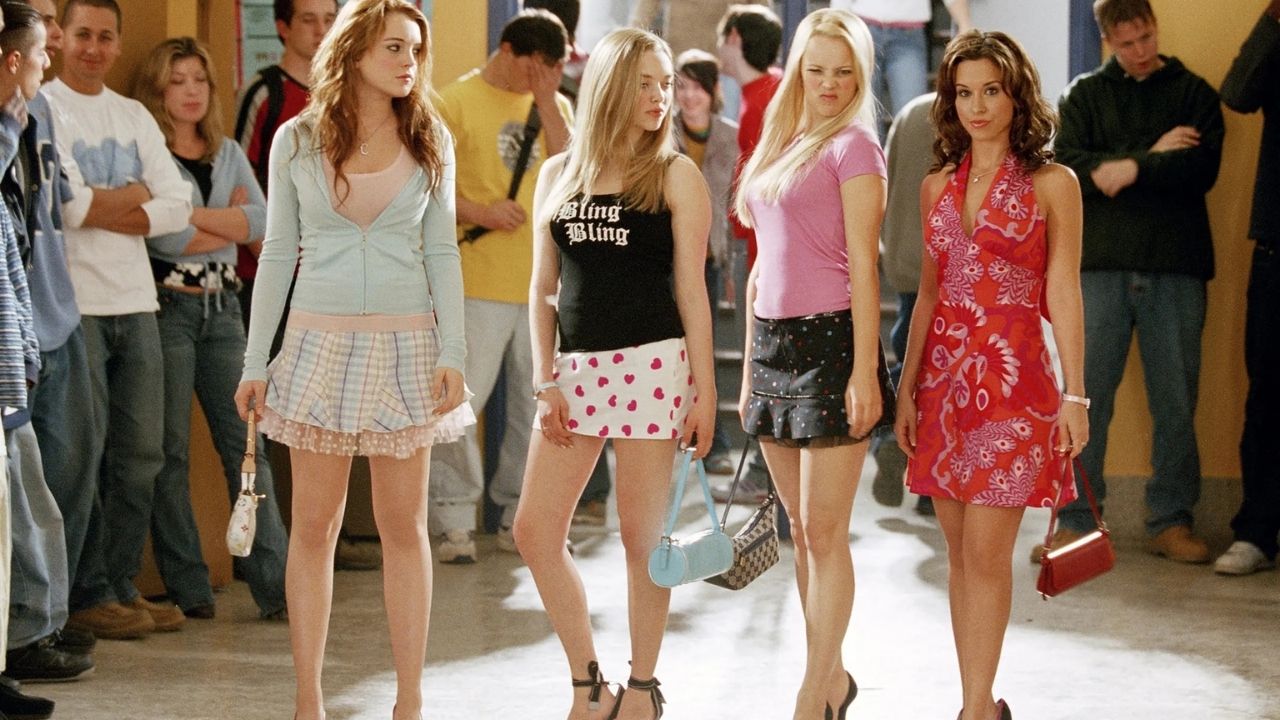
The barrage of disregulating, negative news is constant and toxic.
Sigal Barsade, a Professor from the Wharton School, described this as Emotional Contagion in her landmark study “The Ripple Effect.”
She writes, “We’ve long known that panic spreads, but experts more recently have come to understand emotional contagion, the mechanism by which people’s emotions (positive or negative) ‘go viral’ within groups, influencing our thoughts and actions.”
How your team feels, and the emotions they share, impact your company’s performance. Negative emotional contagion manifests as burnout: focus fatigue, decision paralysis, negativity, politicking, gossip, and anxiety.
This becomes an important leadership lesson on exercising “good emotional hygiene.” You have the power to combat the negative emotions:
- Be a Calming Voice: Be a guiding leader in the face of uncertainty.
- Back to Basics: Focus on your business and your customers.
- Celebrate the Wins: Celebrate the wins, no matter how small.
🐝 Values Don’t Change
No matter the industry, we all face the forces of change. Technology, regulations, competitors, product offerings, and tastes are all shifting. If you don’t stay ahead of the trends, you risk being left behind.
The only constants we can hold onto are our people and our core values.
Andrew Carnegie said, “Take away my people, but leave my factories, and soon grass will grow on the factory floors. Take away my factories, but leave my people, and soon we will have a new and better factory.”
Protect your company’s core values and beliefs. It’s easy to question what you stand for when you’re under the constant pressure of uncertainty.
Products change, competitors change, brands change, but values don’t. They’re the foundation of your business, and they give it strength as you navigate change.
📊 One Stat to Watch
76%
Efficiency and cost-cutting programs are the most frequently cited methods for increasing value in 2026, according to research by Deutsche Beteiligungs AG.
🎨 Do It Right
Steve Jobs, the founder of Apple, learned the value of craftsmanship from his father.
Steve Jobs said, “[My father] loved doing things right. He even cared about the look of the parts you couldn’t see.”
He said that his father refused to use poor wood for the back of cabinets, or to build a fence that wasn’t constructed as well on the back side as it was the front.
He continued, “For you to sleep well at night, the aesthetic, the quality, has to be carried all the way through.”
Craftsmen value all parts of their work. That attention to detail allows their work to stand the test of time.
The work that goes on behind the scenes may go unnoticed, but it’s what makes your business exceptional.
🤔 Thoughts on Today’s Issue?
We’d love to hear your feedback. Message with any thoughts, comments, or ideas for future issues.