🛠️ Hands-On Leaders
⚙️ Automate Last
🫶 The Trust to Disagree
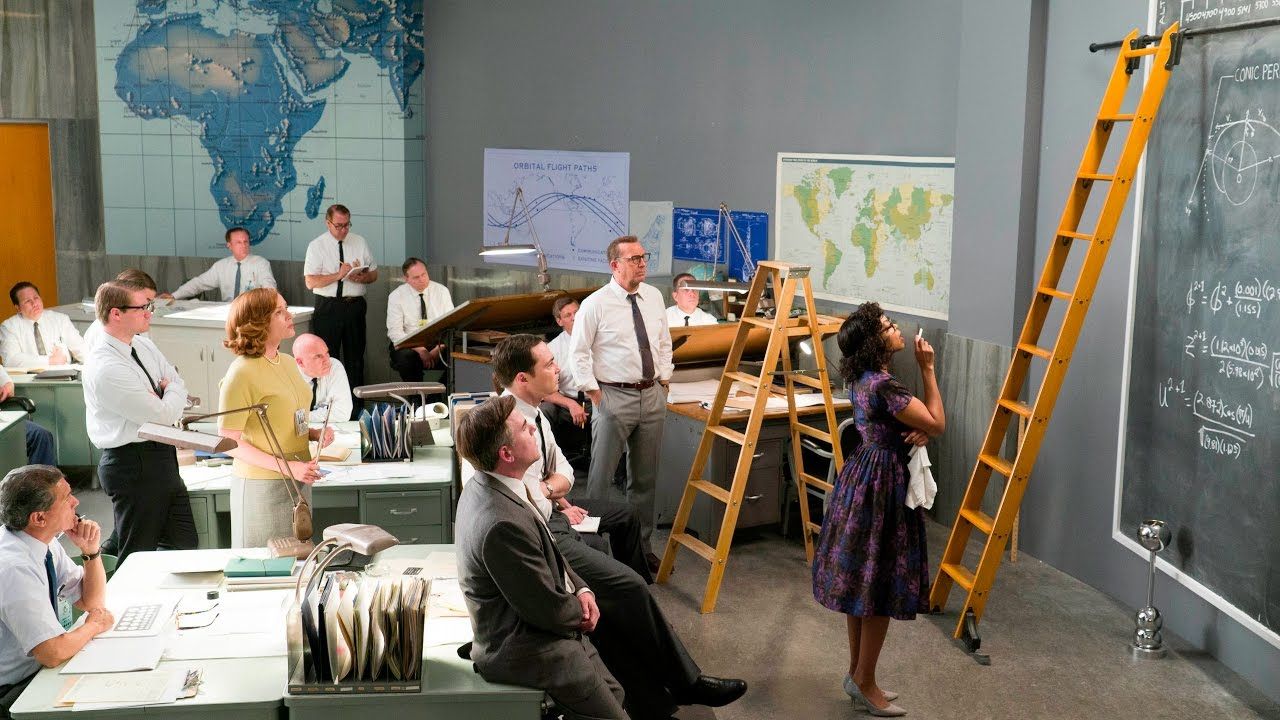
🛠️ Hands-On Leaders
Common wisdom suggests the best CEOs work on the business, not in the business. Their job is to set vision, strategy, and direction for the organization.
The data suggests otherwise. The most effective leaders are operators, or hands-on leaders.
This matters in periods of change, whether from growth or external forces. When a business shifts, the team looks for guidance and a steady hand on the wheel.
A hands-on leader has a key advantage. Because they’re in the trenches with their teams and customers, they spot opportunities faster and can mobilize the organization to capitalize on them.
A hands-off leader loses that connection. Opportunities become hearsay, and the leader can be one, two, or three steps removed from how the work gets done. Worse, when things change, the hands-off leader hears about it last.
Hands-on doesn’t imply micromanaging. It means staying close enough to the work to see it, teach it, and adapt in real time.
A hands-on leader has four distinct responsibilities:
- Plan: Put strategy into action. Planning focuses the organization on where and when to put its time, energy, and resources.
- Build Systems: Great organizations are built on great systems, not great people. You can’t scale with a stable of unicorns.
- Model Behavior: You can’t teach what you don’t practice. Leaders set the tone, pace, and culture. Go where the work is happening to show people what right looks like.
- Coach: A leader’s job is to develop others, not just hit targets. Help level up every member of your team.
Not only is it effective, it’s fun operating your business. Get in with your team and get your hands dirty. They’ll thank you.

⚙️ Automate Last
It’s easy to jump to technology first: buy the software, then build the systems, and then hire and train the people. It rarely works.
At the start of my career, I sold CRM software. A common stat used at the time was 70% of CRM implementations failed.
Deploying the software wasn’t the problem. Within weeks, we’d complete the data and process mapping, data conversion, configuration, and training.
As soon as the implementation team left, the cracks emerged. The sales reps didn’t use it consistently, and management didn’t enforce it. The data quality declined, and people went back to the old ways of doing things.
This happens again and again in IT projects. The issue is companies are doing it backward. The effective way is people, then processes, then technology.
It starts with leadership. For instance, if you want to implement Lean Six Sigma, hire a strong plant manager or VP of Operations who is a lean practitioner. You can train from the ground up, but it’s very hard. Someone who has been there, done that knows how to set the organization up for success.
The next step is to build the habits and systems to operate with. As you identify and master the systems to improve, automation and technology become the next logical move.
When you implement the technology last, the chances of success improve dramatically. You’re delivering tools to people who can use them, on systems that work.
📊 One Stat to Watch
33%
of U.S. executives who use AI at work say they trust it more than their own judgment, according to a study by Charter Works.
🫶 The Trust to Disagree
Strong teams disagree.
Conflict is healthy in a team. It shows team members trust each other enough to share their opinions and debate ideas.
They’re not fighting or bickering. They are working to solve problems. Sure, it may become heated, but if it’s built on trust, the argument won’t be personal. It’ll be on the issue or decision.
Patrick Lencioni writes in The Five Dysfunctions of a Team, “Teams that lack trust are incapable of engaging in unfiltered and passionate debate of ideas. Instead, they resort to veiled discussions and guarded comments… Without having aired their opinions in the course of passionate and open debate, team members rarely, if ever, buy in and commit to decisions.”
When a leadership team doesn’t debate or challenge each other, it’s a sign of brittleness. The organization is not ready for change, or for the challenges it faces.
In your next leadership meeting, watch the tone of the room. Is your team debating and wrestling with the decisions, or holding back and couching their statements?
Then watch how they interact with you. Who on your team disagrees with the boss, and do they have the permission and trust to challenge you?
🤔 Thoughts on Today’s Issue?
We’d love to hear your feedback. Message with any thoughts, comments, or ideas for future issues.