💼 Turn Down a Sale
🧪 Sales as Market Research
🧠 Why Customers Buy
💼 Turn Down a Sale
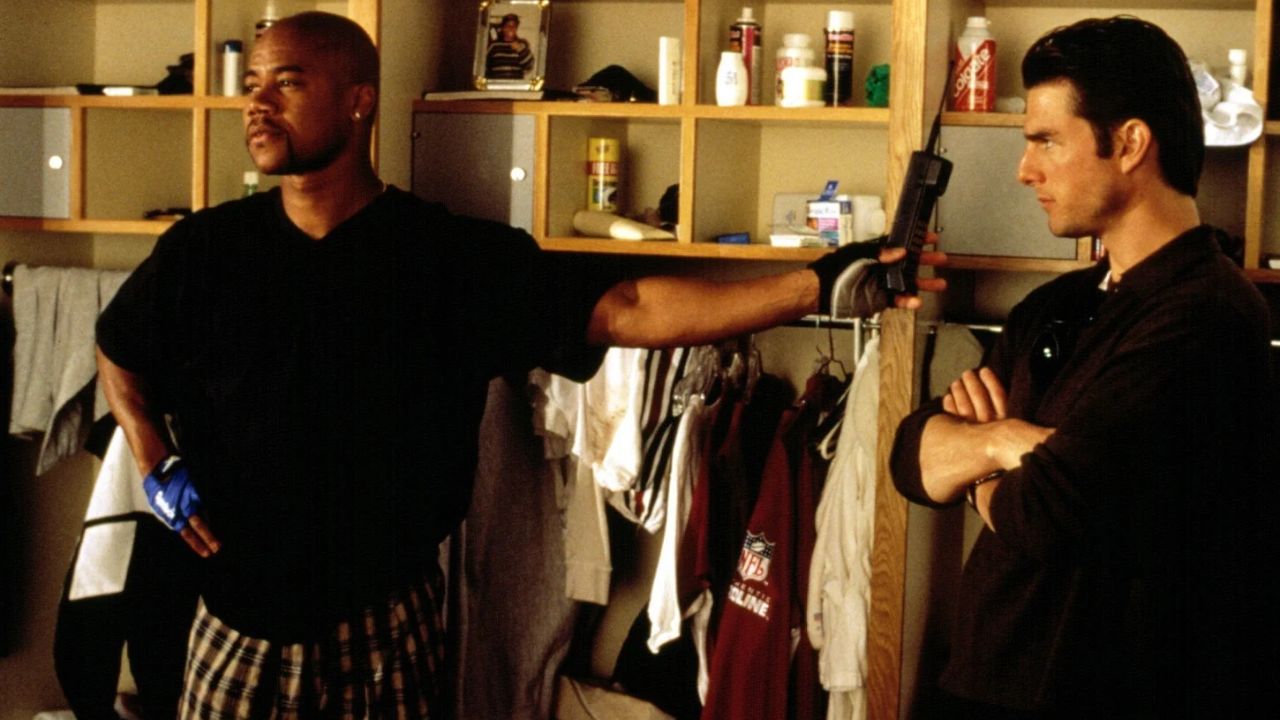
It’s scary to walk away from a customer, but it might be your greatest negotiating tactic. It’s called “closing the briefcase.”
Early in my sales career, I asked my sales manager to help me close a difficult deal. Halfway through the meeting, he closed his notebook and said, “Gentlemen, thank you. I appreciate the time you have invested with us, but it appears we can’t do business with you.”
He stood up, shook their hands, and headed for the door. He gave me a quick look and said, “Let’s go, Jeremy.”
I was in shock! Every bit of color drained from my face. What had he just done!?
The client called us back before we made it to reception. The next five minutes were a breeze. The client accepted the terms, and the deal was done.
Afterward, my manager wryly said, “Customers can’t stand hearing no.”
Closing the briefcase is a power move. You don’t use it often, but it’s effective when you do.
It takes intestinal fortitude to walk away from a prospect, and sometimes it means losing a deal. But a bad deal is a bad deal. Close the briefcase if it’s not a fit.
🧪 Sales as Market Research
Your customers will tell you what they want to buy. You just have to listen. This is what makes sales a brilliant tool for market research.
Every sales meeting is an opportunity to learn from your customers:
- What resonates with them
- What questions they ask
- What creates objections or concerns
Each conversation has value, but when you get 10 or more you will start to see trends.
Those insights can be used to sharpen your messaging, refine your products and services, and adapt your business model to stay relevant to your customers’ shifting needs.
At CoStrategy, we use sales sprints for market research. We define a market, message, and method of selling. Each variable is finely tuned so that we collect relevant customer data.
Within 10 to 15 sales calls, you can validate and fix your brand messaging. Within 50 sales calls, you can validate a market. And you can do it in 2 to 12 weeks.
If you’re launching a new product, evaluating a new market, or refining your brand messaging, launch a sales sprint. The more you talk with your customers, the faster you will learn what works and doesn’t work.
📊 One Stat to Watch
96%
of prospects do their own research before speaking with a salesperson, according to HubSpot. Does your website sell as well as your best salesperson?
🧠 Why Customers Buy
Give your customers a clear, tangible reason to buy. Show them the ROI.
Return on investment, or ROI, is often overcomplicated. Salespeople try to use too many numbers or make it too detailed, and they lose the plot.
ROI is simple. There are five ways you help your customers:
💰 Make Money
🤑 Save Money
⏰ Save Time
🥳 Create an Experience
🏆 Create Recognition
If you sell a B2B product or service, it’s usually one of the first three: Make Money, Save Money, Save Time. For events and entertainment companies, the ROI is an experience. For luxury brands, the ROI is recognition.
A compelling ROI is clear and tangible. For example, EPIC Systems designs mobile palletizers that are ideal for manufacturers with limited floor space.
Their ROI statement is about saving time: “When space is at a premium, operate a mobile palletizing system in a footprint as little as 5’x5’. One person can wheel it anywhere in your plant and set it up in less than 5 minutes.”
If you are concerned about space and time, the ROI is clear. You don’t need a spreadsheet or a CPA to explain it.
ROI is part of your brand messaging. It works best when it is clear, tangible, and repeatable. You’ll know it’s working when your customers use the ROI messaging as their reason for buying.
🤔 Thoughts on Today’s Issue?
We’d love to hear your feedback. Message with any thoughts, comments, or ideas for future issues.